
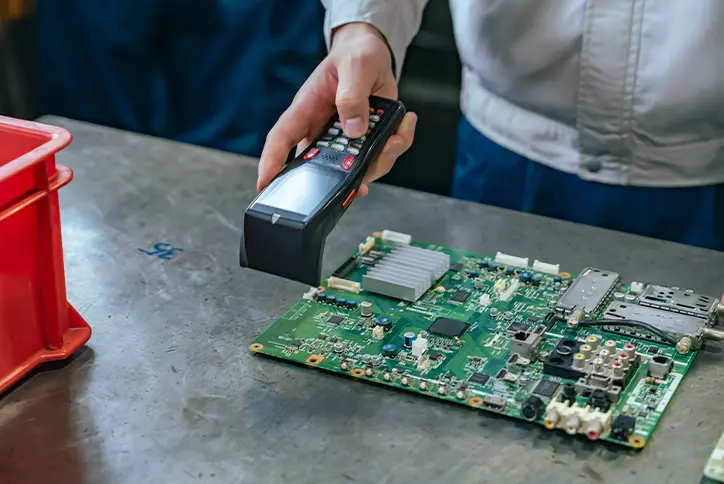
When a component issue surfaces, the response depends on how quickly a manufacturer can identify the affected material and products. Component traceability is a compliance safeguard that ensures, in the event of an issue or audit, a manufacturer can quickly identify, quarantine, or track a part’s history. Like insurance, it is a security and risk-mitigation strategy that may not be used in normal operations.
Product failures in the field can be costly. Recalls are estimated to be $ 35 M on average from direct and hidden costs across all product categories. Of course, it depends on the product and the failure’s impact. For example, in the electronics market, a gaming failure is not in the same risk category as a military application. Nonetheless, without traceability, manufacturers may have to inspect, quarantine, or recall a broader group of assemblies because they cannot determine where a suspect lot was used. Clear records narrow the search to identified inventory, work orders, serial numbers, and shipments, reducing delays while the issue is investigated.
What Component Traceability Covers
Electronic component traceability is the documented ability to track each component from its original manufacturer and lot code through every production step to the final product, enabling defect isolation, counterfeit prevention, and regulatory compliance. The required level of detail depends on the product, customer requirements, and applicable industry controls.
A single component may have multiple lots in inventory, so each lot must remain distinct in the record. Depending on the required scope, records may include manufacturer lot/date codes, supplier origin, receiving inspection data, process parameters, test results, and final assembly serial numbers.
Reducing Counterfeit and Supply Chain Risk
Obsolete parts were once the main concern for counterfeiting, but that is no longer true. In 2025, about 1/3 of counterfeit reports, according to ERAI, involved components in active production and available through authorized channels.
Buying from trusted sources is the primary control for reducing counterfeit risk. When a difficult-to-source component must come from another source, incoming inspection may identify anomalies in date codes, supplier certificates, markings, packaging, or physical condition. Traceability does not prevent a counterfeit component from entering the supply chain, but it shows which inventory and assemblies contain the suspect lot. If a PCBA using that component fails testing, the manufacturer can quarantine the identified boards instead of a wider group of products.
Supporting Compliance and Customer Requirements
Traceability records provide a documented component history when a customer contract or regulated application requires it. The documented history gives auditors and investigators a defined record to review and helps manufacturers determine which components and products may be affected when a nonconformance occurs. It also supports corrective actions by showing where a component entered the process, how it was handled, and where it was used, while established retention controls keep the records available for the required period. The exact traceability scope, data fields, and retention period follow the standards, regulations, and contractual requirements that apply to the specific product and industry rather than a single process applied across the board.
Building Traceability Into the Manufacturing Process
Traceability starts before material reaches the production floor. Purchase orders should state approved sourcing, documentation, and identification requirements so suppliers provide the information needed at receiving. During incoming inspection, personnel verify the shipment against those requirements and assign or preserve identifiers that remain with the material in inventory. Storage and material-handling controls must prevent lots from being mixed or labels from becoming separated from their components.
When components enter assembly, lot or serial identifiers are recorded against the work order, production batch, or individual unit, based on the required level of control. Scanning and system checks can reduce manual entry errors, but the process also needs rules for split lots, substitutions, rework, scrap, and returned material. The resulting production record should remain linked to the shipped product and continue through service, repair, warranty, and other product-support activity so later changes do not break the chain of identification.
Making Traceability Usable When Problems Occur
A traceability system has value only if its records can be retrieved and connected when a problem occurs. Periodic checks can confirm that a known component lot can be traced forward to affected assemblies and shipments, and that a finished product can be traced back to the material used in it. Gaps found during those checks can be corrected before a customer issue, audit, or field failure requires an immediate answer.
Discuss Your Traceability Requirements With Siemens Manufacturing
Traceability requirements should be defined before production begins, especially when a program involves customer-specific records, regulated applications, or long product life cycles. Early discussion helps establish which component data must be captured, how product records will be maintained, and what documentation must be available after shipment.