
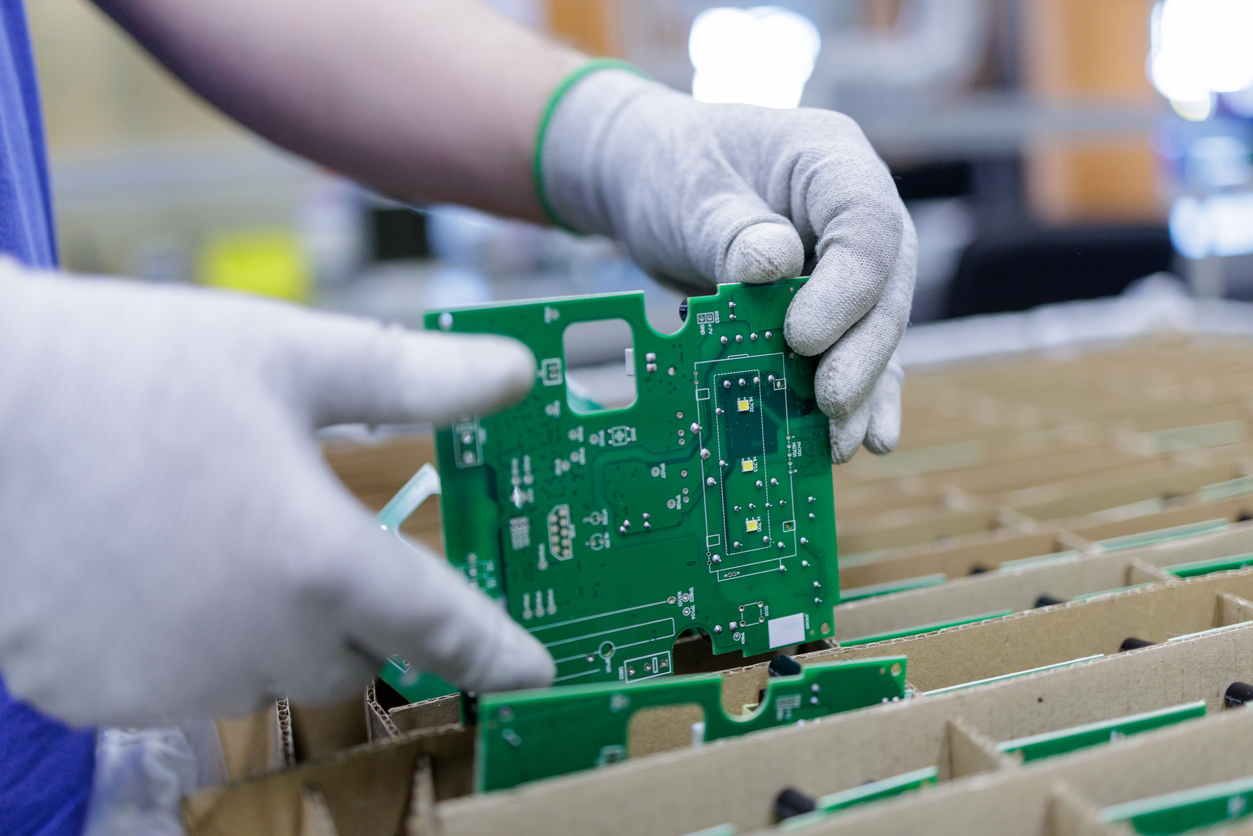
Box builds concentrate risk because they combine PCBAs, wire harnesses, mechanical hardware, firmware, labeling, and testing into a single enclosure. Failures typically occur at element interfaces rather than in individual components. The more technical areas involved, the greater the chance that incomplete BOMs, unclear mechanical definitions, or undefined test requirements will disrupt the schedule, quality, or compliance. A bespoke electronics manufacturer can reduce box build risk by managing these interfaces at the system level rather than treating the build as a collection of subassemblies.
Component Fit and System Integration
Integration of components requires careful planning to ensure that electrical, mechanical, and wiring elements fit together and function as a complete system. Mechanical tolerance stack-up is a common concern with box builds. When dimensional tolerances across multiple components add up and are not accounted for, the components may not fit properly in the enclosure. Assemblers may be forced to apply pressure to seat parts, shift mounting points, or modify hardware during assembly. These actions can introduce risk, including cracked PCBAs, stressed connectors, and intermittent electrical connections. Tolerance stack-up issues are often caused by inaccurate CAD models, misalignment between custom enclosures and internal components, or insufficient tolerance analysis in the design phase.
Cable routing presents another integration risk. Improper routing, loose connections, and workmanship errors can occur when harness design and assembly planning are incomplete. Poor cable management can create several problems during operation, including electromagnetic interference (EMI), restricted airflow that can contribute to overheating, and insulation damage from tight routing, sharp edges, or overcrowded enclosures.
Bespoke electronics manufacturers reduce these risks by addressing integration early in the build process and treating box build as a single, controlled system rather than a collection of subassemblies. Design reviews are often used to evaluate enclosure layout, mounting points, connector orientation, and harness routing before production begins. Mechanical fit checks and prototype builds help verify that components assemble without stress or interference. Detailed assembly documentation and trained technicians reduce workmanship errors, while controlled harness design and routing plans ensure cables maintain proper clearance, bend radius, and shielding. Functional and system-level testing then confirms that the integrated system operates as intended before shipment.
Documentation and Bill of Materials
Incomplete or poorly controlled documentation is a common source of box build failure. Assembly instructions and the bill of materials (BOM) must define every component required for the build, including mechanical hardware, fasteners, labels, adhesives, and other consumables. When items are omitted, outdated part numbers remain in the BOM, or revision control is unclear, production teams must stop the build to resolve discrepancies.
Several problems can result. Assemblers may pause work while engineering clarifies missing information, delaying production and increasing cost. In other cases, substitutions may be made based on assumptions. A component may appear electrically equivalent but differ in physical characteristics, mounting method, or thermal performance. Another common scenario occurs when an outdated revision of the documentation is used, leading to the wrong configuration being assembled or integration issues surfacing during box build or test. In severe cases, inaccurate documentation can require a partial or complete teardown and rebuild.
Configuration control is also important in box builds because the final system often includes hardware revisions, firmware versions, labeling requirements, and regulatory markings that must match the approved build configuration. Without proper control, mismatched firmware or incorrect labeling may not be detected until system test or customer delivery.
Bespoke electronics manufacturers reduce this risk by validating documentation before production begins. Engineering teams review the BOM and assembly documentation to confirm that part numbers are current, obsolete components are identified, and approved alternates are defined where appropriate. Revision control procedures ensure the latest documentation is released to the production floor and that prior revisions cannot be used accidentally.
Material control also plays a role. Leading providers track components by manufacturer part number and verify that materials match the customer-approved BOM before assembly begins. Electronic manufacturers that participate in the UL Printed Wire Board Program must maintain full material traceability from incoming inspection through storage and final shipment. This traceability helps prevent component substitution errors and ensures that materials used in the build match the approved configuration.
Testing and Validation
Testing is critical in box builds because system failures are often not visible until the entire assembly is powered and operating. Individual PCBAs may pass electrical tests, yet integration problems can appear once components are installed in the enclosure and connected through harnesses, connectors, and firmware. Issues such as incorrect wiring, connector pinout errors, firmware mismatches, or power distribution problems can surface during system operation that weren’t detected during subassembly testing.
Environmental and thermal conditions can also reveal problems that are not evident during assembly. Restricted airflow, grounding issues, or electromagnetic interference may only appear once the unit is operating under load. Without clearly defined test procedures, these issues can escape detection and surface later during field use or customer acceptance.
Bespoke electronics manufacturers mitigate this risk by implementing structured system-level testing. Functional tests confirm that the assembled unit performs its intended operation, while programming and calibration procedures ensure that the firmware and configuration settings match the approved build. In some applications, burn-in or stress testing is used to expose early component failures before shipment. Well-defined test procedures and documented pass/fail criteria help ensure that every system leaving production has been verified as a complete, functioning assembly.
Supply Chain and Component Availability
Supply chain disruptions can introduce significant risk to box builds, particularly when specialized components, connectors, or custom mechanical parts are required. Long lead times, part obsolescence, and limited supplier availability can delay production or force last-minute substitutions. Even when replacement parts meet electrical specifications, differences in size, mounting method, or thermal performance may create integration issues within the enclosure.
Another concern is the potential introduction of unverified or counterfeit components during shortages. These parts may not meet reliability or compliance requirements and may fail during testing or in the field.
Bespoke electronics manufacturers reduce supply chain risk through proactive component management and supplier oversight. Engineering teams monitor component lifecycle status and identify potential obsolescence before it affects production. Approved alternates are evaluated to confirm they meet electrical, mechanical, and regulatory requirements. Qualified suppliers and controlled purchasing processes help prevent counterfeit components from entering the build. By managing component availability early in the process, manufacturers can maintain the build schedule and preserve the integrity of the system design.
How a Bespoke Electronics Manufacturer Reduces Box Build Risk
Reducing box build risk requires a manufacturer that can control the system integration process from documentation review through final test. At Siemens, we approach box builds as complete system assemblies, supported by in-house PCB assembly, inspection, testing, and final mechanical integration capabilities.
We perform surface-mount, through-hole, and box-build assembly within the same organization, allowing our engineering and production teams to manage integration across electrical and mechanical elements. This approach helps identify potential issues early, including tolerance conflicts, connector orientation problems, or documentation gaps that can affect final system performance.
Quality control and inspection are also built into the manufacturing process. Automated optical inspection, X-ray inspection, and multiple forms of product testing, including in-circuit, functional, and environmental testing, are used to confirm that assemblies meet required specifications before shipment. These processes help detect solder defects, wiring errors, and configuration issues that may otherwise appear during field operation.
Supply chain stability and manufacturing capacity further reduce production risk. We operate multiple facilities and maintain ISO 9001 certification, component traceability, and controlled sourcing processes. These controls help ensure components match approved documentation and allow production to continue even during supply chain disruptions.
If your product requires complex system integration or you are experiencing reliability issues during box builds, contact us to discuss how our engineering, assembly, and testing capabilities can support your next program.