
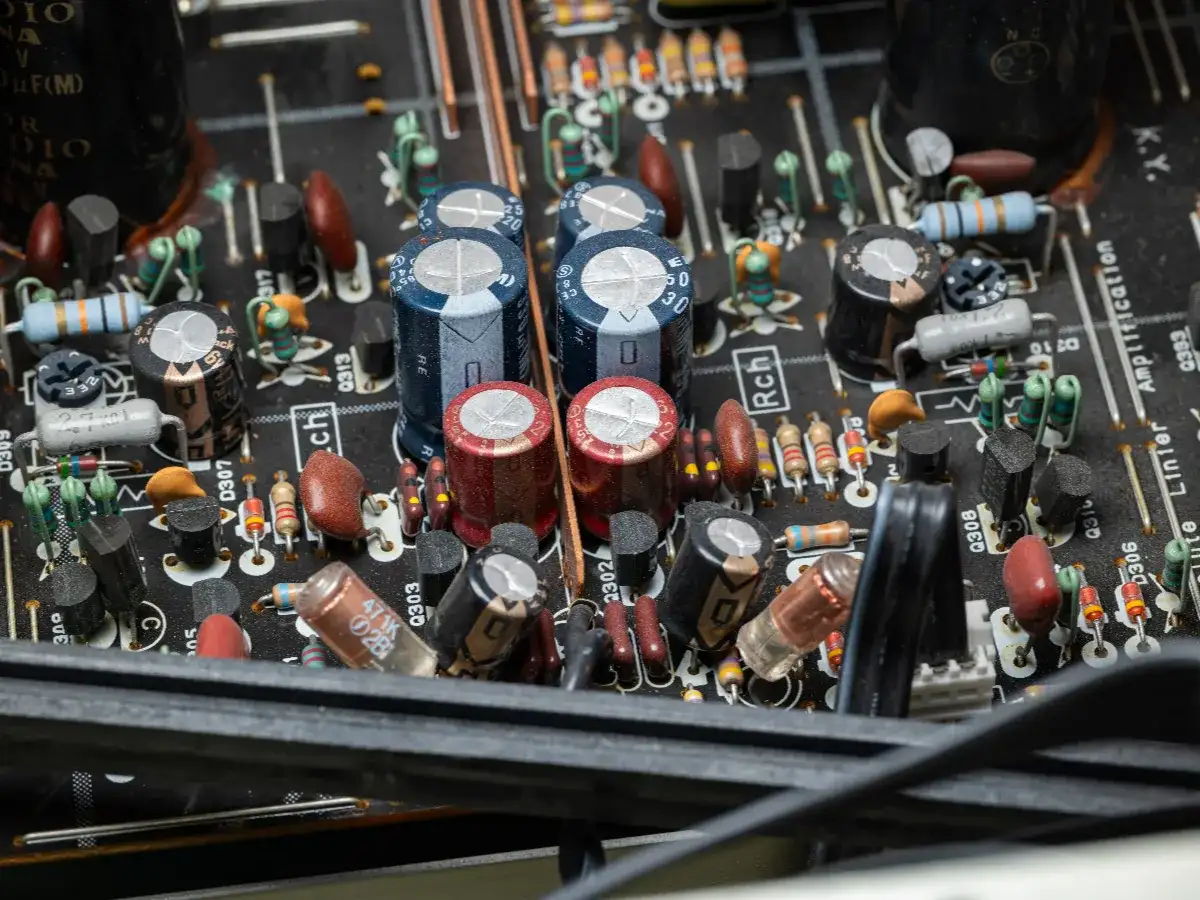
Complex PCB assemblies, those with advanced designs, high component density, and specialized techniques, require an electronic assembly services partner with disciplined process control, layered inspection methods, and robust testing and mixed manufacturing processes, which together support consistent, repeatable builds that will function in challenging environments. Production risk increases when quality depends mainly on final inspection or rework. A quality-focused provider reduces that risk by controlling the build at each stage, from materials and machine setup through inspection, testing, and documentation.
Process Control Across the Whole Build
Strong electronic assembly services reduced risk by applying process control throughout the build, rather than relying on final inspection. A controlled process starts with sourcing components from trusted suppliers and incoming material inspection. It continues through PCB assembly, inspection, and testing, along with documentation at each stage. When controls are built into each stage, variation can be found earlier, before defective PCBAs reach final test and require quarantine, troubleshooting, or rework. Traceability, work instructions, machine setup controls, inspection criteria, and documented quality procedures all support a more consistent manufacturing process.
For complex products, process control becomes even more important because reliability requirements are often higher, and intermittent or complete failure in the field can be costly. An electronic assembly services provider should be able to tell you how processes are monitored, what testing is performed, how inspection results are used, and how nonconformances and corrective actions are implemented. Providers that manage these controls well are better positioned to maintain quality as volumes increase, designs change, or production requirements become more demanding.
Layered Inspection Reduces Risk
As mentioned above, end-of-line inspection is too late in the process. Having multiple inspection points tied to risk areas is critical for complex PCBAs, helping to identify issues when they are easier and less costly to correct. Some inspection areas to look for include:
- Incoming inspection – Materials and components should be evaluated against established criteria to ensure quality and compliance. This includes measuring PCB dimensions and plating thickness for all lots to ensure compliance.
- Solder paste inspection — Solder paste volume and area coverage should be inspected to ensure each pad receives the correct amount of solder to form a solid joint. Improper placement of amounts can lead to PCBA failure.
- Component placement — Inspection is required to ensure every component is present, correctly oriented, and placed within tight positional tolerances. Due to the stringent requirements for complex boards, automated optical inspection (AOI) must be used.
- Solder joint inspection – This inspection step verifies the mechanical and electrical integrity of solder connections, which is critical for preventing product failures, short circuits, and intermittent faults
- X-Ray inspection— X-ray inspection is not used on every board. However, for those, such as BGAs with hidden or hard-to-see solder joints, x-ray inspection is needed to confirm solder joint integrity and expedite root cause analysis when AOI can’t see a connection.
The provider should be able to explain where inspections occur and what they verify. Having a layered inspection approach helps catch errors before they move to the next step in the process and allows for earlier adjustments, saving time and cost.
Testing Capabilities that Support Function and Reliability
When evaluating electronic assembly services, verify that testing is tied to the PCBA’s functionality and reliability. Testing should verify more than basic assembly quality. It should be used to confirm that the build will work as intended in the environment it is exposed to during use. Look beyond whether testing is offered or not. When choosing a provider, evaluate the range of testing capabilities. A supplier with a broad range of testing capabilities often has the expertise to identify issues earlier, reduce troubleshooting time, and support more complex PCB assemblies.
Testing capabilities may include:
- In-circuit testing – This test is used to verify component values, electrical connections, and assembly integrity before power is applied.
- Functional testing – This is used to confirm that the completed assembly performs to design requirements under operating conditions.
- Environmental stress screening – This includes thermal cycling and vibration testing, which are used to identify weaknesses that standard electrical testing may not reveal.
- Custom testing – Complex PCBA may require custom testing when standard solutions are insufficient. Products with unique performance requirements often require specialized fixtures, software, and validation procedures.
Mix Technology Ability For Complex PCBAs
Many products combine multiple technologies. For example, a system may include surface-mount components, through-hole devices, cable assemblies, electromechanical components, and more. When evaluating electronic assembly service providers, it is important to understand whether they can support mixed technologies within a single manufacturing program.
A partner with mixed technology capabilities can handle more of the build under one roof, eliminating the risk of hand-offs between suppliers and simplifying project management. Look for experience in through-hole assembly, surface-mount technology, conformal coating, cable and harness assembly, and turnkey system assembly. Providers that can combine multiple processes while maintaining consistent quality is better equipped to support complex products. In addition, it can streamline production, reduce logistical challenges, and improve accountability throughout the manufacturing process.
Work With Siemens Manufacturing for Electronic Assembly Services
If you are evaluating electronic assembly services for a complex PCBA, Siemens Manufacturing can help review your assembly requirements, inspection needs, testing expectations, quality requirements, and production goals. Our quality practices include process control, inspection, testing, and documentation to support consistent builds and reduce production risk across complex electronic assemblies. Contact Siemens Manufacturing to discuss your project and determine the right manufacturing approach for your PCB assembly.